
Understanding the psychological triggers that keep gamblers coming back for more
The Thrill of Anticipation
One of the most powerful psychological triggers for gamblers is the thrill of anticipation. When a player places a bet, the build-up to the outcome creates an emotional rush. This excitement can overshadow the possibility of losing, making the experience addictive. Gamblers often find themselves drawn back to this feeling, eager to experience that rush once more, even if previous losses weigh heavily on their minds. Additionally, many players are exploring paysafecard casinos as a safe way to indulge in their passion.

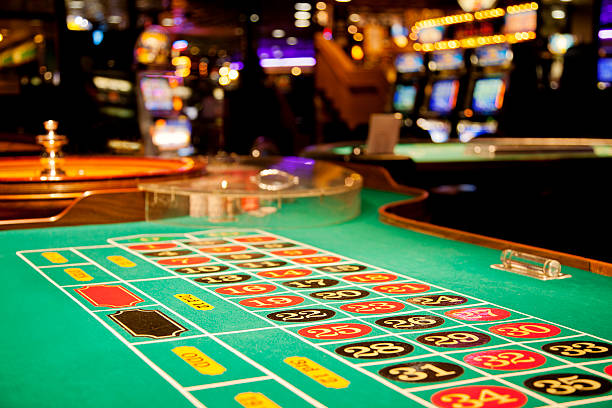
The anticipation can also be heightened by the environment of a casino, filled with bright lights, sounds, and the palpable energy of fellow players. This sensory overload amplifies the emotions associated with betting, turning each game into an event filled with suspense and potential rewards.
The Illusion of Control
Another significant trigger is the illusion of control that many gamblers experience. Players often believe that they can influence the outcome through strategies, rituals, or sheer willpower. This belief can lead to a false sense of mastery over chance-based games, fostering repeated engagement as players chase the feeling of being in control. The more they win, the stronger this illusion becomes, making it hard to resist returning to the gaming table.
This sense of control is especially prominent in skill-based games, where players feel their expertise gives them an edge. Even in purely chance-based games, the desire to believe in their ability to predict outcomes can be compelling enough to keep them returning for more, despite the odds.
The Reward System of the Brain
The brain’s reward system plays a crucial role in gambling behavior. When a player wins, dopamine—a neurotransmitter associated with pleasure—is released, creating feelings of joy and satisfaction. This biochemical reaction reinforces the behavior, encouraging gamblers to seek out similar rewards in future sessions. The more frequently players experience this reward, the more entrenched their gambling habits become.
Moreover, the intermittent rewards associated with gambling (e.g., occasional wins amidst many losses) can strengthen this loop. Just as slot machines are designed to create moments of excitement, the unpredictability of outcomes can lead to increased engagement, as players hope for the next big win. This cycle of reward and craving is central to why many find it difficult to walk away.
The Social Aspect of Gambling
Gambling often serves as a social activity, drawing individuals into its web through communal experiences. Friends and family who gamble together create a shared environment that can enhance the enjoyment of the activity. This social aspect not only makes the experience more pleasurable but can also encourage repeated participation, as people wish to maintain their social bonds and enjoy shared thrills.
In many cases, casinos capitalize on this social component by offering group games and events that encourage camaraderie. The sense of belonging and community can be a significant motivator, driving individuals to return not just for the games but also for the social interactions that accompany them.
Explore Responsible Gambling Practices
Understanding these psychological triggers is essential for promoting responsible gambling practices. While the thrill and excitement of gambling can be enticing, awareness of one’s emotional and behavioral patterns is crucial. Resources and support systems can help individuals recognize when their gambling may be becoming problematic, allowing them to make informed choices.
For those interested in navigating the world of gambling safely, utilizing platforms that prioritize responsible gaming can enhance the experience. These resources guide players in maintaining control, ensuring that gambling remains a form of entertainment rather than a compulsive behavior.
